Ferragamo Premium Clutch Ferragamo Handbags
- blog
- ปิดความเห็น บน Ferragamo Premium Clutch Ferragamo Handbags
- Posted on
Considerations for Resell Worth When Viewing Ferragamo Handbags as an Asset
In the current year, an increasing number of buyers regard a Ferragamo bag beyond simple extravagance, as a line item within a personal portfolio — a change from how buying a designer handbag has consistently been framed, caught between indulgence and financial thinking. Salvatore Ferragamo built its name on masterful construction, Florentine leatherwork, and a house design-code framework that features the Gancini clasp and Vara bow, both of which command recognizable equity in the resale market. That legacy counts when a bag is passed along years later, because buyers on resale platforms weigh provenance as much as physical state. This article looks at what actually drives resale value for Ferragamo bags, which styles typically preserve their worth best, and how the brand compares to a few of its nearest rivals when it comes to value decline patterns.
Once a Ferragamo bag re-enters the market, its performance is far from uniform, and knowing what’s at play is exactly what distinguishes a smart purchase from a closet decoration. Notwithstanding the fact that a Salvatore Ferragamo bag is meant to be used for a decade or longer, in contrast to disposable trend pieces, with consignment shops and peer-to-peer marketplaces routinely listing it alongside Gucci, Prada, and Bottega Veneta.
What Determines Resale Value for a Ferragamo Bag
Resale value is rarely about the brand name alone; it is a function of rarity, physical state, and continued market pull for a specific silhouette. A scarce release, a unique metal accent, or an link to a runway moment can nudge a secondhand price nearer to original retail than most anticipate. Leather quality is another major contributor, since Ferragamo’s calfskin and saffiano options age differently, and calfskin in particular tends to develop a aged sheen that collectors either love or avoid depending on care history. Original packaging, dust bags, and authenticity cards also add measurable value, sometimes accounting for eight to twelve percent of the final resale price according to consignment sellers who track completed sales.
First-time buyers often underestimate how much color choice matters. Neutral tones such as black, cognac, and cream consistently outperform seasonal or trend-driven feragamo colors on the resale market, because they appeal to a wider buyer base. A rigid-silhouette top-handle piece in a traditional color will generally outlast in value a relaxed hobo silhouette in a loud motif, simply because the former feels enduring while the latter feels outdated within a couple of seasons. Buyers also closely inspect hardware condition, since tarnished or scratched metal can shave ten to twenty percent from an asking price despite the leather being in flawless condition.
In closing, a confirmed ownership history and purchase documentation from an authorized ferragamo shop or the brand’s own boutiques reassure shoppers that what they’re viewing is a genuine item, which directly supports a stronger resale cap. As purchasers hedge against risk, pieces without proper paperwork or authorized sourcing generally bring lower prices, even when genuine.
Top Ferragamo Bags Worth Holding Onto
When people search for the best Ferragamo bags or ask which styles qualify as the top Ferragamo bags for resale, the conversation usually centers on a handful of recognizable families rather than one single “it” bag. Since that hardware detail reads as a clear brand marker, totes with Gancini hardware and structured satchel shapes usually see the highest demand on the secondary market, even among buyers who aren’t deeply fashion-literate. Structured shapes in general outperform slouchier silhouettes, since they photograph better for resale listings and tend to show wear more gracefully.
Mini and top-handle formats have also gained traction among a younger buyer base entering the secondhand market, partly because more compact styles are simpler to wear year-round and in part because they come in at more accessible price points, which broadens the buyer pool for a future resale. A piece that speaks only to a narrow segment of buyers will inevitably encounter a more limited resale pool than a style that appeals widely across generations, so buyers hunting for the best Salvatore Ferragamo bags for investment purposes generally favor versatility over novelty.
Limited-edition collaborations and archival reissues from Salvatore Ferragamo often outperform standard seasonal releases in resale value, and it’s worth noting they can hold onto seventy percent or more of original retail price within the first two to three years. Signaling real collector interest more than plain brand allegiance, that kind of retention is uncommon in the broader handbag market.
A Look at Ferragamo Bags: Materials, Craftsmanship, and Their Impact on Resale
Any real overview of Ferragamo bags must start with materials, since construction quality is the single biggest predictor of how a bag ages over five or ten years of ownership. The house has historically worked with vegetable-tanned and chrome-tanned leathers sourced through Italian tanneries, and the finishing techniques used on Ferragamo leather goods are part of what justifies premium resale pricing compared to mass-market brands. Stitching density, edge painting, and lining quality are elements that knowledgeable resale buyers check before finalizing a purchase, and Ferragamo bags usually perform well across all of these with proper upkeep.
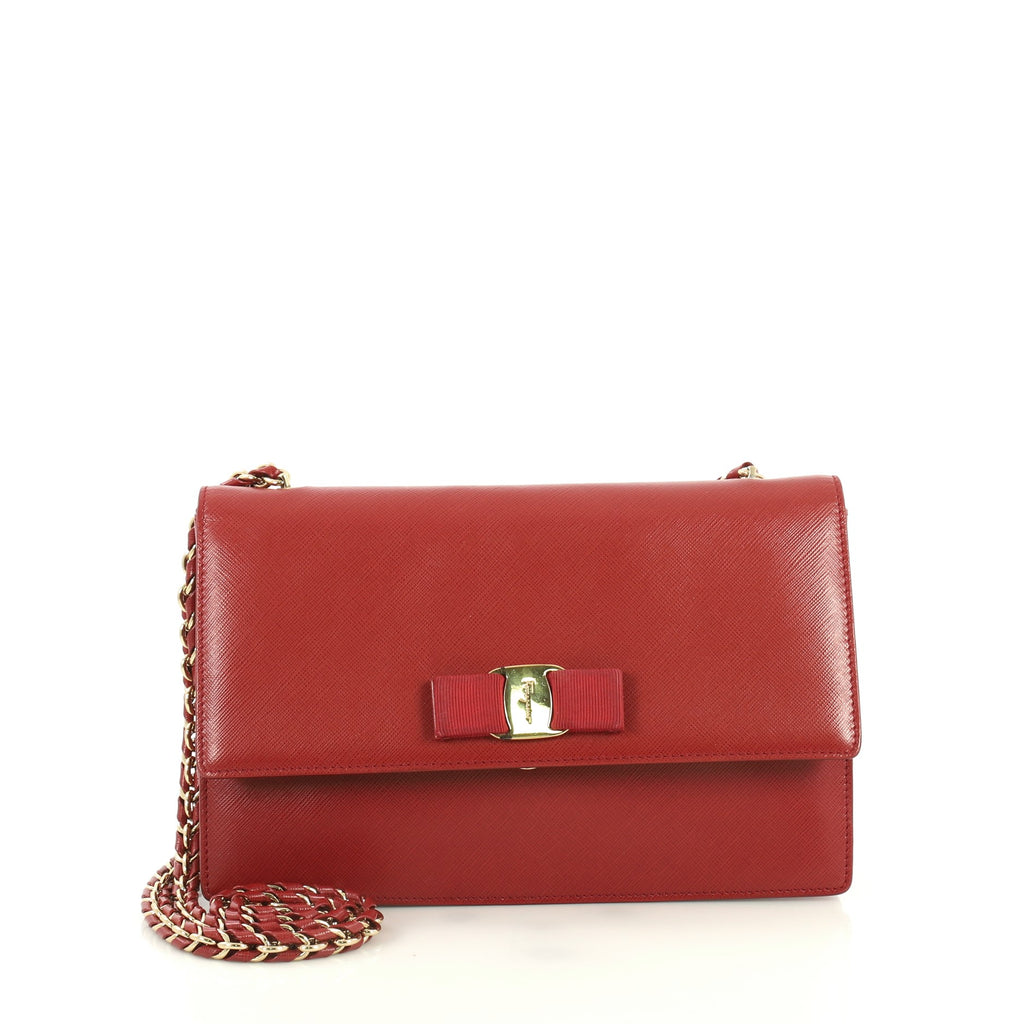
The soundness of a bag’s structure is yet another factor that is frequently ignored by sellers new to the process. A bag that has been overstuffed for years or kept without proper support can develop deformation in its structure that is difficult to reverse, and this on its own can reduce resale value by a noticeable amount no matter how pristine the leather looks. Resale-market buyers are increasingly savvy about insisting on shots of the lining, base wear shots, and hardware close-ups before finalizing a deal, which means those who store bags well and rotate their use tend to see better returns at the point of resale.
Authenticity remains a ever-present theme throughout any ferragamo bags overview because how sought-after the brand is has made it a common mark for counterfeiters. Serial numbers, logo stamps, and even stitching regularity are among the details that authenticators look for, and bags bought new or obtained through vetted channels carry a genuine advantage down the line when selling, since buyers are willing to spend more for confidence in what they’re buying.
Comparing Ferragamo to Its Peers: A Quick Resale Overview
Direct brand-to-brand comparisons are valuable for shoppers weighing where to invest, since resale performance differs considerably across the high-end handbag market. The table below reflects overall patterns in resale value retention noted by consignment platforms and secondhand marketplaces monitoring sales activity through late 2025 and into 2026, focused on classic, non-limited styles kept in solid condition.
| Brand | Typical Resale Retention (2-3 years’ time) | What Drives Value Most |
|---|---|---|
| Salvatore Ferragamo | 45% up to 60% | Italian leather craftsmanship, Gancini details, and structured forms |
| Gucci | 50%-65% | Recognizable branding, GG canvas, and collab releases |
| Prada | 40% up to 55% | Long-lasting Saffiano leather and enduring minimalist style |
| Bottega Veneta | 55% to 70% | The Intrecciato weave, low-key branding, and a devoted fanbase |
Depending on condition, color, and whether the specific bag is a current or discontinued style, these ranges can shift, though the pattern stays fairly consistent across resale platforms. Ferragamo lands squarely in the middle of the pack, which points to a brand with strong heritage recognition but a less intense resale hype than Bottega Veneta’s cult-favorite pieces. Sitting in the middle like this can indeed be an advantage for buyers, since it often means better entry prices with reasonably strong value retention instead of the excessive markups attached to the most hyped names.
Down-to-Earth Advice for Purchasing a Ferragamo Bag With an Eye on Resale
For treating a Salvatore bag as a real investment, shoppers should start by purchasing through an authorized ferragamo shop or the brand’s official channels — verified provenance consistently produces stronger resale outcomes. Keeping original packaging, dust bags, and receipts is not just sound practice; it is a clear contributor to future resale price, often tacking on measurable percentage points to a final sale. Opting for neutral leather colors over seasonal prints is another sensible decision that proves worthwhile years down the line, since classic tones simply have a wider buyer pool.
Ongoing conditioning of the leather, careful storage using the dust bag rather than plastic, and avoiding overstuffing all extend the longevity of a bag and safeguard its resale ceiling. It also helps to research which ferragamo bags have over time held value well before buying, since performance varies by style, and a little groundwork upfront can head off disappointment at resale time. When weighing several choices, reading through a full ferragamo bags overview from a trusted source, reviewing completed listings on resale platforms, and weighing similar styles across a few brands gives a grounded picture of what to expect financially.
In the end, a Ferragamo handbag purchased thoughtfully, looked after properly, and chosen with resale patterns in mind can function as both a wearable luxury item and a relatively stable store of value. It may not beat every rival brand on every measure, but its blend of heritage, craftsmanship, and consistent demand makes it a reasonable choice for anyone building a considered handbag collection in 2026.